Latest Vacuum Cleaners in India (2026): New Launches & What's Actually Changed
Cordless sticks going mainstream, wet & dry combos replacing single-purpose vacuums, robot prices crashing. Here's what's genuinely new in vacuum cleaners in India — and what's just repackaged marketing.

B.Tech, Mechanical Engineering · Certified Home Appliance Safety Auditor (BIS-recognized) · 8+ yrs product testing
Priya has over 8 years of experience reviewing home appliances and kitchen products. A mechanical engineering graduate and certified home-appliance safety auditor, she has personally tested 400+ products and led lab comparisons for major consumer publications. She tests every product in real Indian kitchen conditions before it earns a recommendation.
The vacuum cleaner market in India has moved faster in the last couple of years than in the decade before it. Here's what's genuinely new in 2026, what's just old technology with a fresh marketing label, and how to tell the difference before you buy.
Trend 1: Cordless stick vacuums have gone mainstream
Cordless sticks used to be a premium category. That's no longer true — the SEZNIK Vacuum Cleaner, a newer entrant, delivers genuinely strong suction in a cordless design for under ₹4,500. Battery-powered convenience that once started at ₹15,000+ is now accessible at budget prices, which is the single biggest shift in the category this year.
Trend 2: Wet & dry combo vacuums are replacing single-purpose models
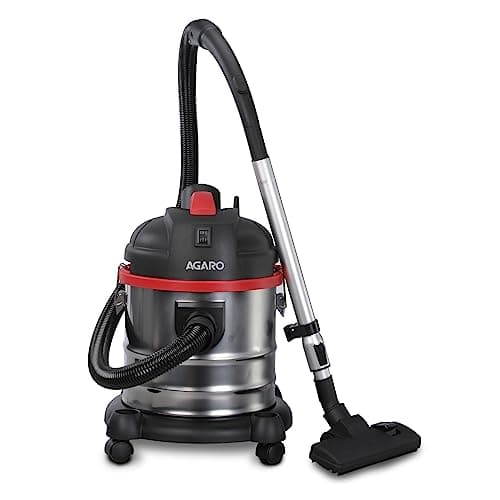
Buyers increasingly want one machine that handles both dry dust and wet spills instead of owning separate tools. The AGARO Ace Wet & Dry reflects this shift — multiple attachments, one motor, covering floors, spills, and even car interiors.
Trend 3: Bagless cyclonic technology is now standard, even at budget prices
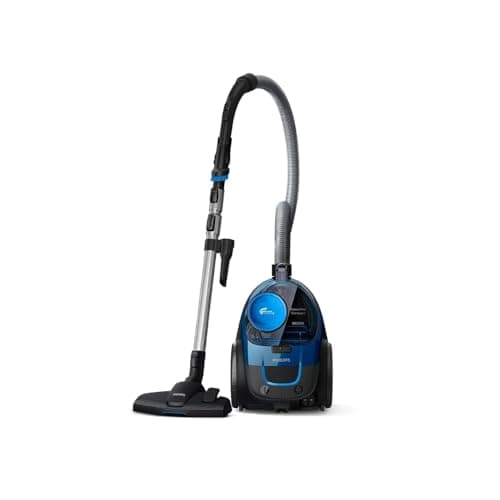
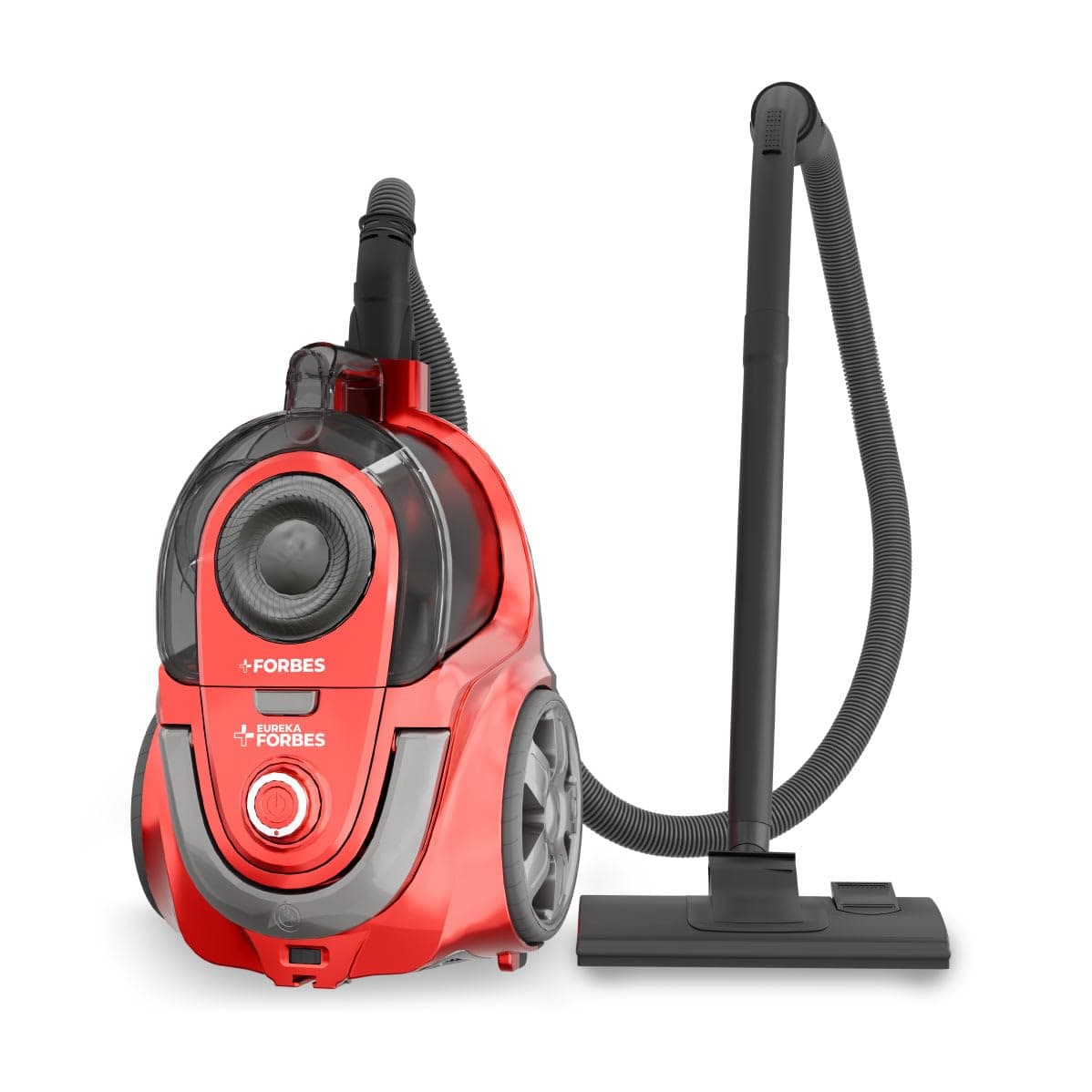
A few years ago, cyclonic bagless suction was a premium feature. Now it shows up in the Philips PowerPro FC9352 and the Eureka Forbes Cyclo at accessible prices — meaning fewer recurring costs on replacement bags and generally stronger, more consistent suction than older bagged designs.
Trend 4: Robot vacuum prices have crashed below ₹20,000
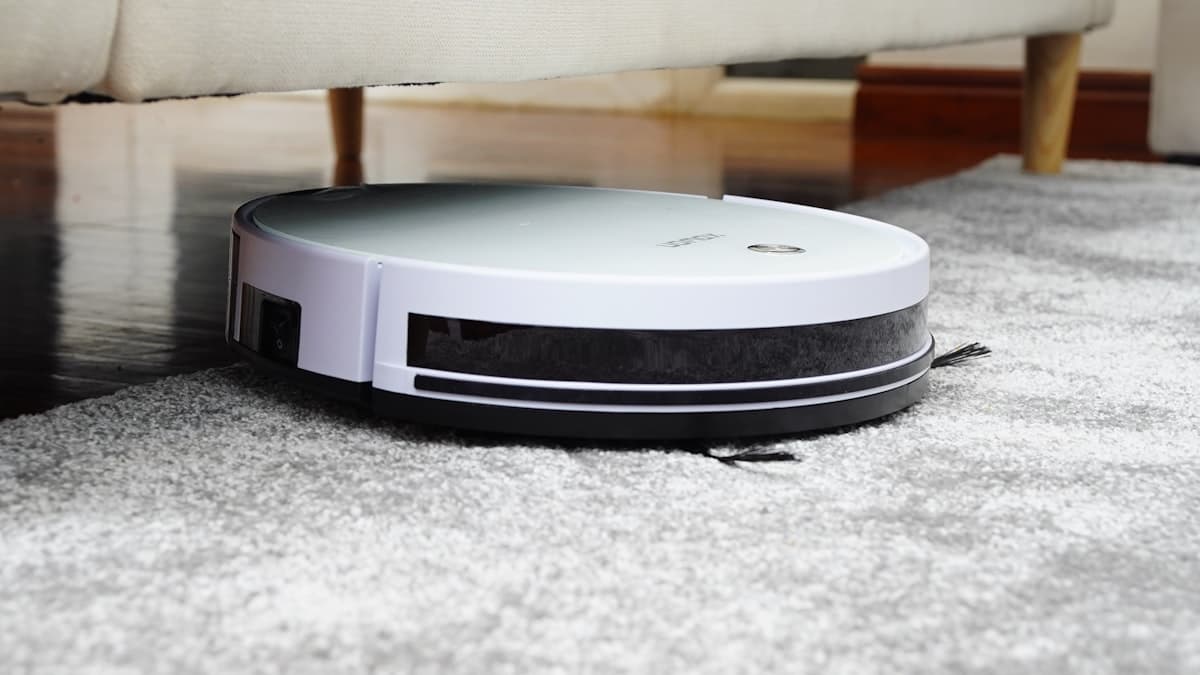
This is the biggest structural change in the wider category. Entry robot vacuums with basic navigation now start well under ₹20,000, down from ₹35,000+ just a couple of years ago. Whether that's actually the right choice for your home depends heavily on floor type and layout — our robot vs regular vacuum comparison breaks down exactly when a robot is worth it and when a traditional vacuum still wins.
What's marketing hype vs real innovation
- Unverified suction numbers ("30,000Pa!") — without a standardised testing methodology behind them, these figures are marketing, not a meaningful spec to compare across brands.
- "Smart" vacuum cleaners — app connectivity on a corded stick vacuum is mostly decorative. Smart features matter for robot vacuums with actual navigation to control; elsewhere, it's often just an added cost.
- "Turbo mode" branding — usually just a second speed setting that most vacuums have had for years, relabelled.
What's genuinely useful in the newest models
- Lighter cordless builds that don't sacrifice suction the way early cordless models did.
- Better dust-bin release mechanisms — newer bagless designs empty more cleanly, with less dust escaping back into the room.
- Genuine multi-surface attachments included as standard rather than sold separately, especially in wet & dry models.
Should you upgrade an old vacuum in 2026?
If your current vacuum is corded, bagged, and over 5 years old, upgrading to a modern bagless model will likely feel like a meaningful improvement — both in suction consistency and in ongoing cost (no more buying replacement bags). If you already own a bagless vacuum under 3 years old, the "latest" models mostly offer marginal gains — save your money unless a specific new feature (wet & dry, cordless convenience) solves a real problem you have.
Our verdict
The most meaningful 2026 shift is that decent cordless and wet & dry vacuums are now genuinely affordable, not just aspirational. Chase real capability — sustained suction, attachment versatility, brand service support — over headline numbers with no standard behind them. For the full ranked list across every price point, see our best vacuum cleaners in India guide.
FAQ
What's the newest type of vacuum cleaner in India?
Affordable cordless stick vacuums and wet & dry combo models are the fastest-growing new categories in 2026, alongside falling robot vacuum prices.
Are the newest vacuum cleaners actually better, or just more expensive?
Genuinely better in specific ways — lighter cordless designs, cleaner bagless emptying, more included attachments — but many "latest" marketing claims (suction numbers, smart features) are not meaningfully different from older models.
Is it worth waiting for newer vacuum cleaner models to launch?
Not usually. The category moves in small, incremental steps rather than sudden leaps — buying a well-reviewed current model beats waiting for a marginally newer one.