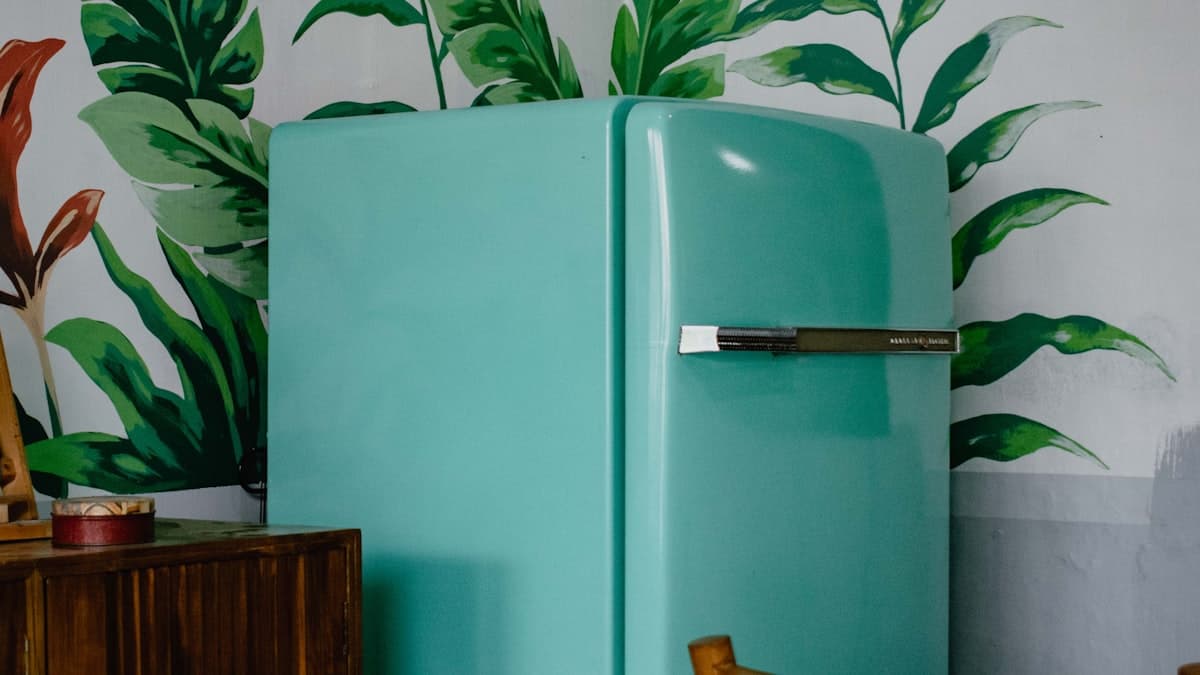
Best Refrigerator Under ₹30,000 in India (2026): Complete Buying Guide
Single door or double door? 3-star or 5-star? Direct cool or frost free? The ₹30,000 refrigerator decision, decoded for Indian families — with the math that actually matters.

B.Tech, Mechanical Engineering · Certified Home Appliance Safety Auditor (BIS-recognized) · 8+ yrs product testing
Priya has over 8 years of experience reviewing home appliances and kitchen products. A mechanical engineering graduate and certified home-appliance safety auditor, she has personally tested 400+ products and led lab comparisons for major consumer publications. She tests every product in real Indian kitchen conditions before it earns a recommendation.
A refrigerator is the one appliance that runs 24×7 for 10–15 years — which makes it the most consequential ₹30,000 you'll spend on your kitchen. Yet most buyers decide in 20 minutes based on colour and brand. This guide gives you the framework that showroom salesmen won't.
Step 1: Capacity — the family-size formula
- 2–3 members: 180–250 litres (single door territory)
- 3–5 members: 250–350 litres (entry double door)
- 5+ members / weekly bulk shopping: 350+ litres
The hidden variable: how often you shop. Daily-fresh-sabzi households need less capacity than once-a-week bulk shoppers. And if you batch-cook or freeze rotis/parathas, prioritise freezer size, not total litres.
Step 2: Single door vs double door at ₹30,000
₹30,000 is exactly the crossover point — premium single doors and solid double doors overlap here. The real differences:
- Single door (₹15,000–28,000): Direct cool (manual defrost), smaller freezer, 30–40% cheaper to run, fits tight kitchens. The 5-star single doors are the most electricity-efficient fridges sold in India, period.
- Double door (₹25,000–30,000+): Frost free (no defrosting ever), bigger separate freezer, better cooling distribution — but higher power draw and more electronics that can fail.
Rule of thumb: family of 4+, buy double door frost free. Couple or small family that hates maintenance? A 5-star single door saves real money for a decade.
Step 3: Direct cool vs frost free, honestly
Direct cool means you manually defrost the freezer every few weeks — a 20-minute chore Indians have done for generations. Frost free does it automatically using a fan and heater cycle, which is why it consumes more power. Neither is "better"; it's convenience vs running cost. Above 250L, almost everything is frost free anyway, so the choice mostly makes itself.
Step 4: The star rating math (this is where the money is)
BEE star ratings measure annual electricity consumption. For a typical 250L fridge at ₹8/unit:
- 2-star: ~230 units/year ≈ ₹1,840/year
- 3-star: ~190 units/year ≈ ₹1,520/year
- 5-star: ~145 units/year ≈ ₹1,160/year
A 5-star typically costs ₹3,000–5,000 more than the same fridge in 3-star. At ~₹400–700/year saved, the payback is 6–10 years — real, but not dramatic. Verdict: take the 5-star when the premium is under ₹4,000; don't stretch your budget for it otherwise. One caution: star ratings are revised stricter every few years, so a "5-star 2020 model" on clearance may equal a 3-star 2026 model. Check the label year.
Step 5: Inverter compressor — yes, you want it
An inverter compressor runs continuously at variable speed instead of jolting on/off. Result: lower power consumption, near-silent operation, less wear, and crucially for India — most run directly on home inverters during power cuts without a stabiliser. In 2026, this technology is standard even under ₹25,000. Don't buy a fixed-speed compressor; also check the operating voltage range (190V–280V means no separate stabiliser needed).
Step 6: Features that matter vs gimmicks
- Worth it: toughened glass shelves (hold 50kg+ — pressure cooker territory), vegetable crisper with humidity control, door alarms, separate dairy compartment.
- Gimmicks at this price: "AI cooling" stickers, water dispensers (germ traps that shrink door storage), fancy deodorisers.
- Convertible freezer modes (freezer→fridge conversion): genuinely useful for vegetarian households that don't store much frozen food.
Brand landscape under ₹30,000
LG and Samsung lead in compressor reliability and service network breadth — their 10-year compressor warranties are standard. Whirlpool and Godrej deliver more litres per rupee with strong cooling retention during power cuts (Godrej's insulation is genuinely good). Haier offers the most features per rupee — verify service coverage in your city first, especially in tier-2/3 towns.
When to buy
Refrigerator discounts peak during Diwali sales, Republic Day sales, and end-of-summer clearance (September). The same fridge swings ₹3,000–6,000 between peak and discount pricing. Summer (March–June) is peak demand — the worst time to buy.
Setting up a full kitchen? Pair this with our researched Home & Kitchen picks — from mixer grinders to water purifiers — and watch our deals page for price drops.
FAQ
Is a 5-star fridge worth the extra cost?
If the premium is under ₹4,000 over the 3-star, yes — it pays back in 6–8 years and these run cooler and quieter. Beyond that premium, put the money into capacity or an inverter compressor instead.
Do I need a stabiliser for a new refrigerator?
Most 2026 inverter-compressor models handle 190V–280V natively. Check the spec sheet; if your area has severe fluctuations, a stabiliser is still cheap insurance.
Which is the best refrigerator brand in India?
For compressor reliability and service: LG and Samsung. For value and power-cut performance: Whirlpool and Godrej. There's no single winner — match the brand's strength to your priority.