Robot Vacuum vs Regular Vacuum: Which Should You Buy in India? (2026)
Robot vacuums under ₹20,000 are everywhere now — but are they actually better than a regular vacuum for Indian homes? We compare cleaning power, maintenance, and real running costs.

B.Tech, Mechanical Engineering · Certified Home Appliance Safety Auditor (BIS-recognized) · 8+ yrs product testing
Priya has over 8 years of experience reviewing home appliances and kitchen products. A mechanical engineering graduate and certified home-appliance safety auditor, she has personally tested 400+ products and led lab comparisons for major consumer publications. She tests every product in real Indian kitchen conditions before it earns a recommendation.
Robot vacuums have crashed below the ₹20,000 mark in India, and suddenly everyone's asking the same question: should I get a robot, or stick with a regular vacuum? The honest answer depends on your floor type, your dust level, and whether anyone is home during the day.
We've researched both categories extensively for Indian homes. Here's the no-nonsense breakdown.
The short answer
Buy a robot vacuum if you have mostly flat, hard floors (tiles, marble, wood), a small-to-medium apartment, and you want daily maintenance cleaning without lifting a finger. Buy a regular vacuum if you have rugs and carpets, need deep cleaning power, deal with heavy dust (ground-floor homes, near construction), or your budget is under ₹10,000. Many households eventually keep both — robot for daily upkeep, regular for the weekend deep clean.
1. Cleaning power: regular vacuum wins, clearly
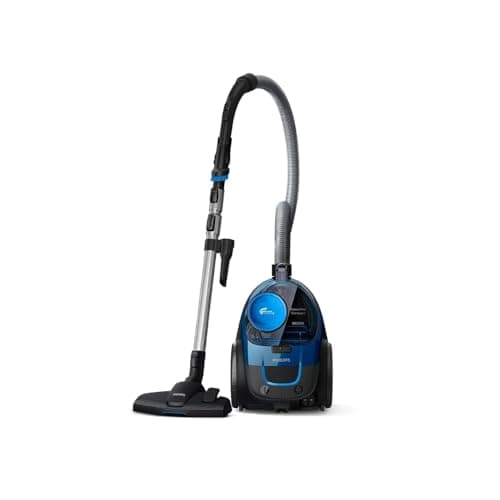
A corded vacuum like the Philips PowerPro FC9352 generates suction a robot physically cannot match — robots run on batteries and small motors. For embedded dust in carpets, sofa crevices, mattress cleaning, and the fine dust that settles in Indian homes near roads, a regular vacuum is in a different league.
Robots excel at surface dust, hair, and crumbs on hard floors — which, to be fair, is 80% of daily Indian floor cleaning.
2. Convenience: robot wins, massively
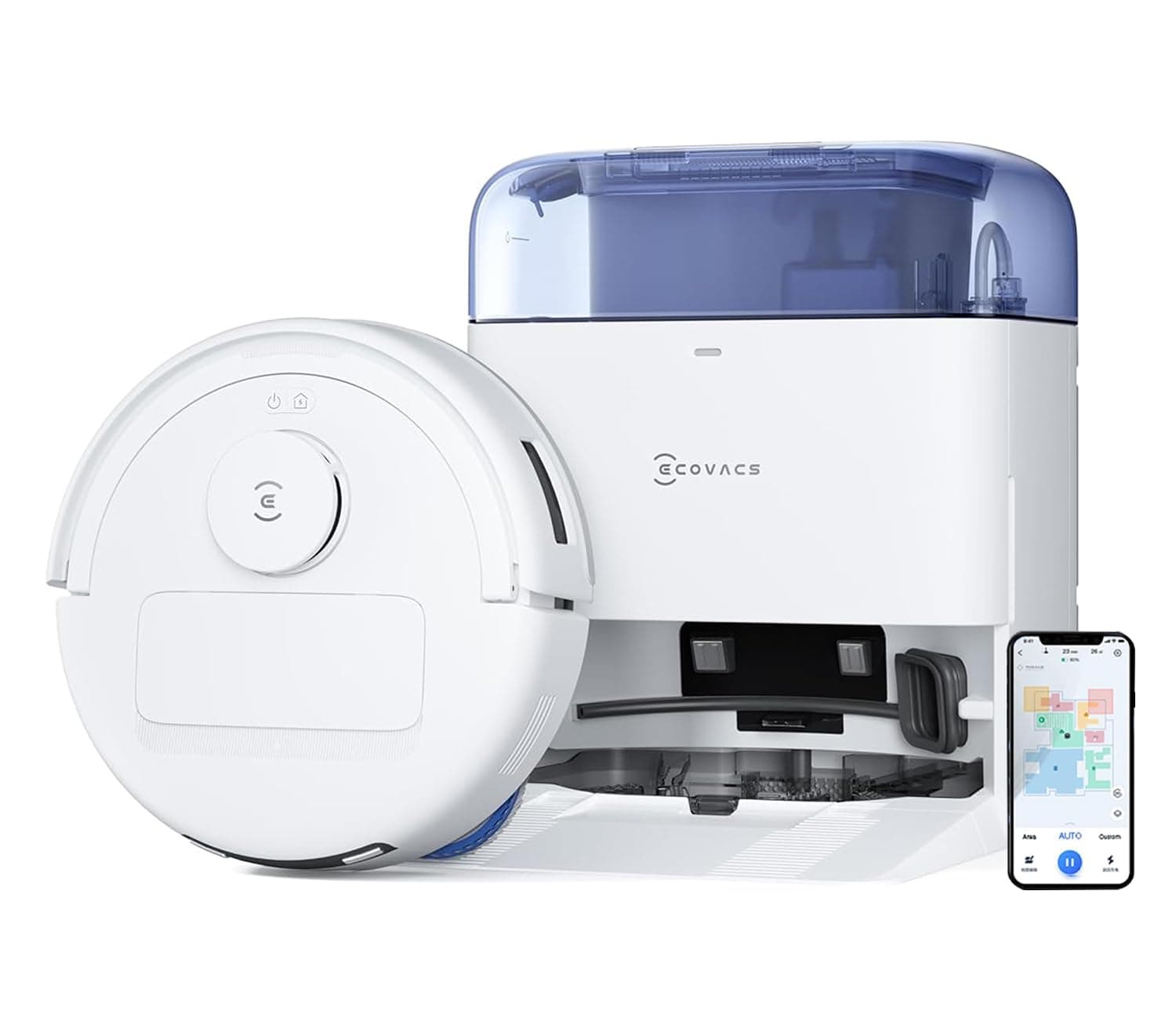
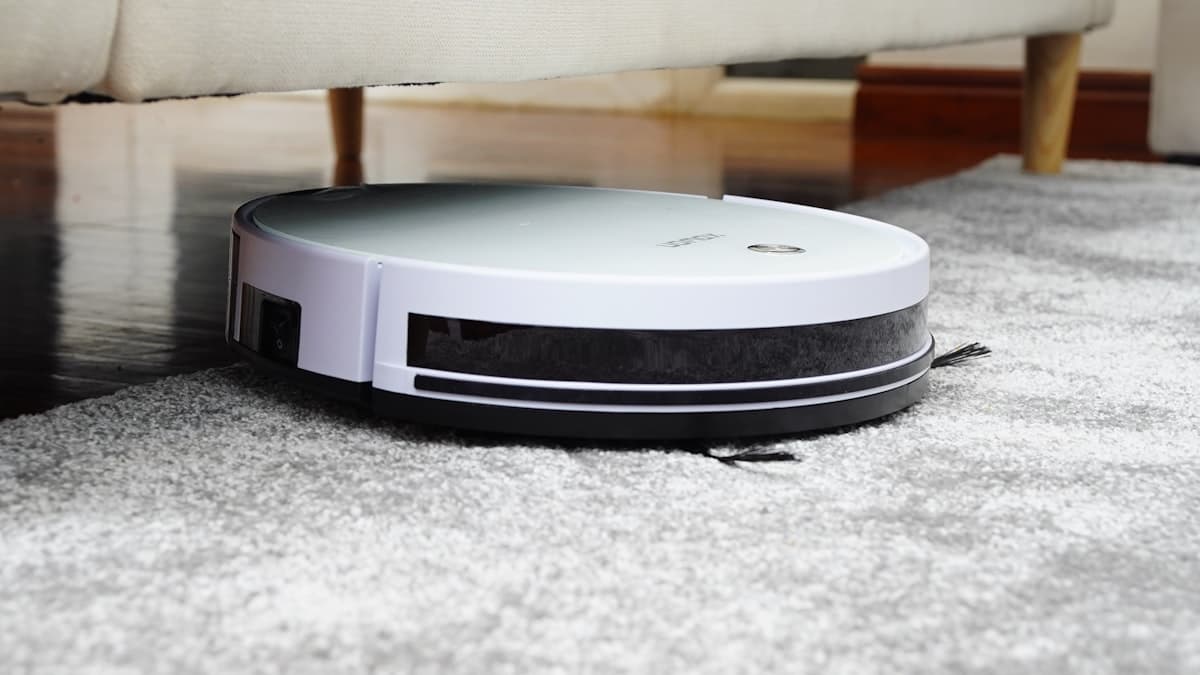
This is the entire pitch. Schedule it daily at 11 AM, and you come home to clean floors every single day. For dual-income households where jhadu-pocha happens once a day at best, a robot quietly raises your baseline cleanliness. No regular vacuum can compete with "it happens automatically."
3. Indian floor reality check
- Tiles and marble: Robot heaven. Flat, hard, predictable.
- Thresholds between rooms: Most robots climb up to 1.5–2 cm. Higher door thresholds (common in older Indian homes) will strand them.
- Wet areas: Robots and bathroom-adjacent wet floors don't mix. Regular vacuums with wet-dry capability (like the AGARO Ace) handle spills.
- Heavy festival-season dust: After Diwali cleaning or construction nearby, you need real suction.
4. Maintenance and running costs
Here's what robot vacuum ads don't tell you: filters need replacement every 2–3 months (₹300–800), side brushes wear out (₹200–500), the battery degrades in 2–3 years (₹2,000–5,000 to replace), and you still have to empty the tiny dustbin almost daily in Indian dust conditions.
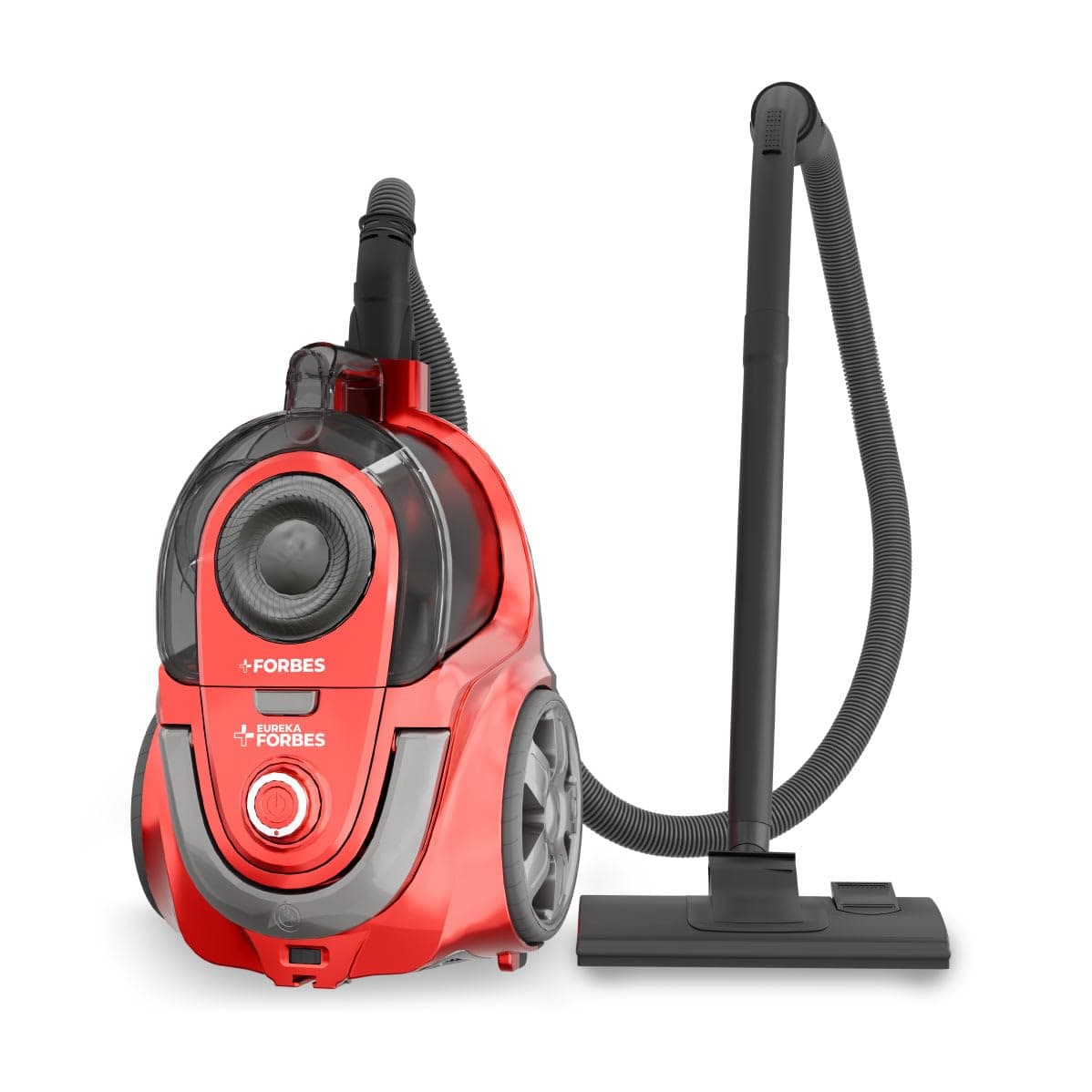
A regular vacuum's running cost is close to zero — the Eureka Forbes Cyclo is bagless, so you just empty and rinse.
5. Price brackets in 2026
- Under ₹10,000: Regular vacuum only. Robots at this price have weak suction and dumb navigation — skip them.
- ₹10,000–₹20,000: Entry robots with gyro/lidar navigation appear. Decent for small flats. A premium regular vacuum is still the better pure cleaner.
- ₹20,000–₹40,000: Good robots with mapping, app control, and mopping attachments. This is where robots become genuinely good.
6. What about handheld vacuums?
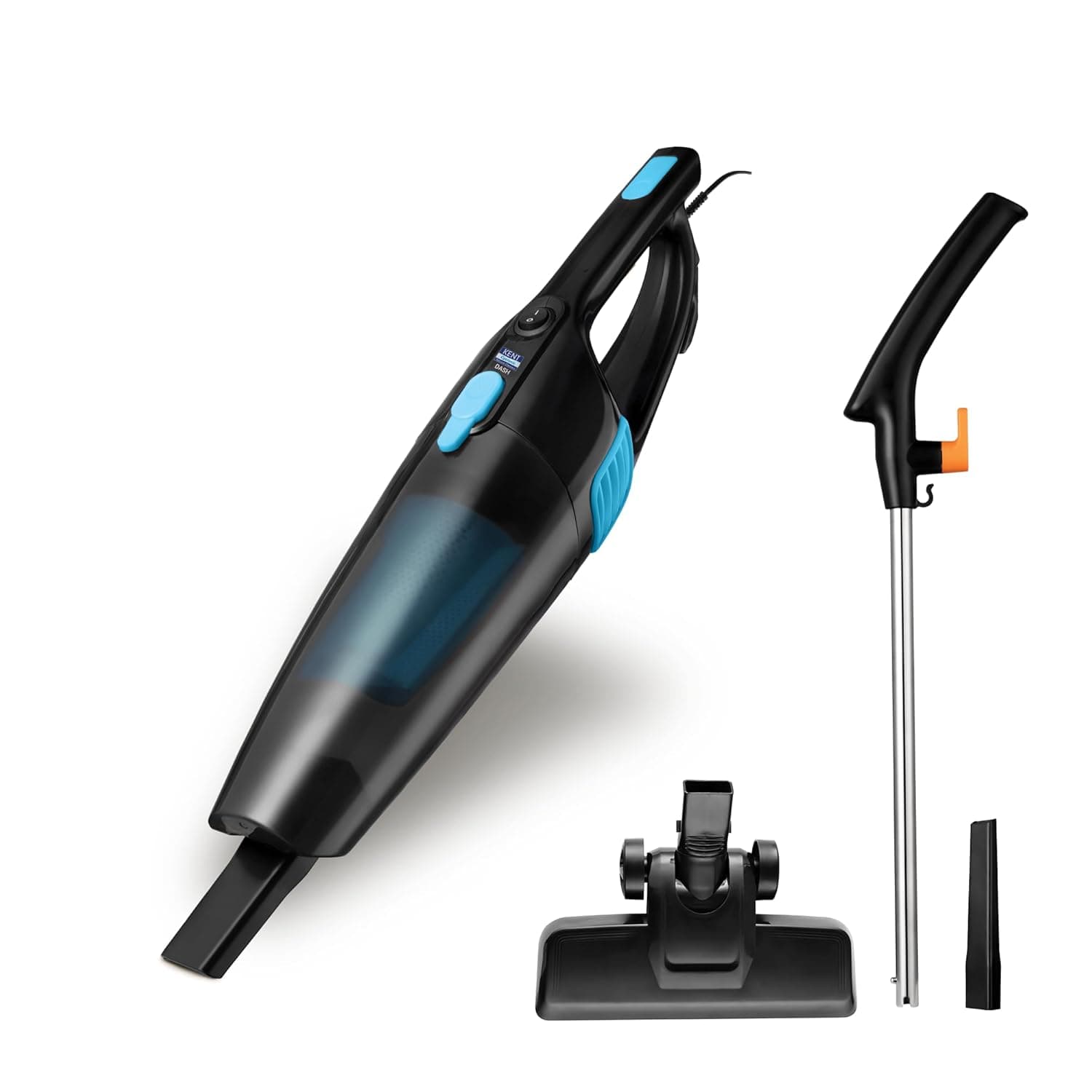
Don't overlook the third option: a compact handheld like the KENT Dash (around ₹2,300) covers car interiors, sofas, curtains, and quick spot cleans. Pair it with a robot and you've covered 95% of cleaning scenarios.
Our verdict
For most Indian apartments in 2026: start with a quality regular vacuum — it does everything, costs less, and lasts a decade. Add a robot later as a convenience upgrade once your budget allows ₹20,000+, not as your only cleaner. Browse our researched best vacuum cleaners in India guide for specific picks at every price.
FAQ
Can a robot vacuum replace jhadu-pocha?
It replaces the jhadu (sweeping) part for hard floors. Mopping robots exist but Indian-style wet mopping with pressure is still better done manually or with a spin mop.
Do robot vacuums work in Indian homes with furniture on the floor?
Low-clearance furniture (diwans, low beds) blocks them. Robots need ~8–10 cm clearance to clean underneath.
Is a robot vacuum worth it under ₹15,000?
Only if your home is small, flat, and mostly hard flooring. Otherwise a ₹10,000 regular vacuum cleans better.