How to Choose the Right Water Purifier in India (2026 Buying Guide)
TDS, RO, UV, UF, mineralization — too many acronyms? This guide breaks down exactly what water purifier you need based on your water source and budget.

B.Tech, Mechanical Engineering · Certified Home Appliance Safety Auditor (BIS-recognized) · 8+ yrs product testing
Priya has over 8 years of experience reviewing home appliances and kitchen products. A mechanical engineering graduate and certified home-appliance safety auditor, she has personally tested 400+ products and led lab comparisons for major consumer publications. She tests every product in real Indian kitchen conditions before it earns a recommendation.
Indian water quality varies wildly — TDS, hardness, microbiological contamination, and pesticide residue can change from city to city, even building to building. The wrong purifier will either over-purify clean water (stripping useful minerals) or under-purify hard water (defeating the entire purpose).
Here's how to pick the right one without overpaying.
Step 1: Test your water TDS
TDS (Total Dissolved Solids) is the single most important number. Get a TDS meter (₹150–₹400 on Amazon) and measure your tap water. As a rough guide:
- Below 200 ppm: Your water is already soft. A UV+UF purifier is enough — RO will strip valuable minerals.
- 200–500 ppm: You can choose either, but RO+UV+UF gives the safest result for borewell water or mixed sources.
- Above 500 ppm: RO is essential. Without it, water tastes bitter or salty and can affect kidneys long term.
- Above 2000 ppm: You need RO with a mineral cartridge (MC) — RO alone removes everything including minerals.
Step 2: Understand the technologies
RO (Reverse Osmosis)
Forces water through a semi-permeable membrane that removes dissolved salts, heavy metals, and most contaminants. Essential for high-TDS water.
UV (Ultraviolet)
Kills bacteria, viruses, and microbes by exposing water to UV light. Doesn't remove dissolved solids — only purifies microbiologically.
UF (Ultrafiltration)
Removes suspended particles and bacteria via micro-pore filtration. Works without electricity. Good complement to RO/UV.
MC (Mineral Cartridge)
Adds back essential minerals (calcium, magnesium) that RO removes. Important if your final TDS post-RO drops below 50 ppm.
Step 3: Pick the right combo
- City municipal supply (low TDS): UV+UF
- Mixed supply / mid TDS: RO+UV+UF
- Borewell or high TDS: RO+UV+UF+MC
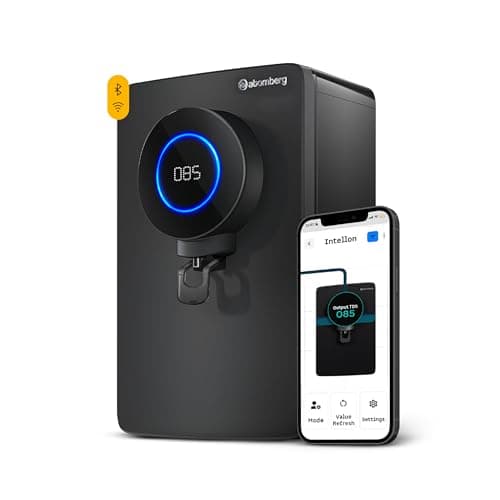
- Modern smart homes: Consider an adaptive purifier like the Atomberg Intellon that adjusts purification based on incoming water
Step 4: Budget brackets
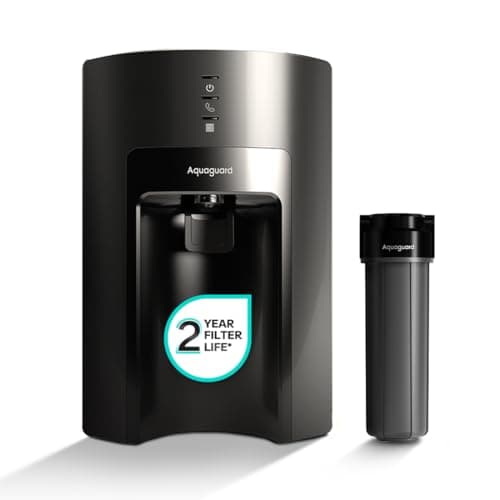
Under ₹12,000: Aquaguard Delight NXT — solid entry RO with Aquasaver technology.
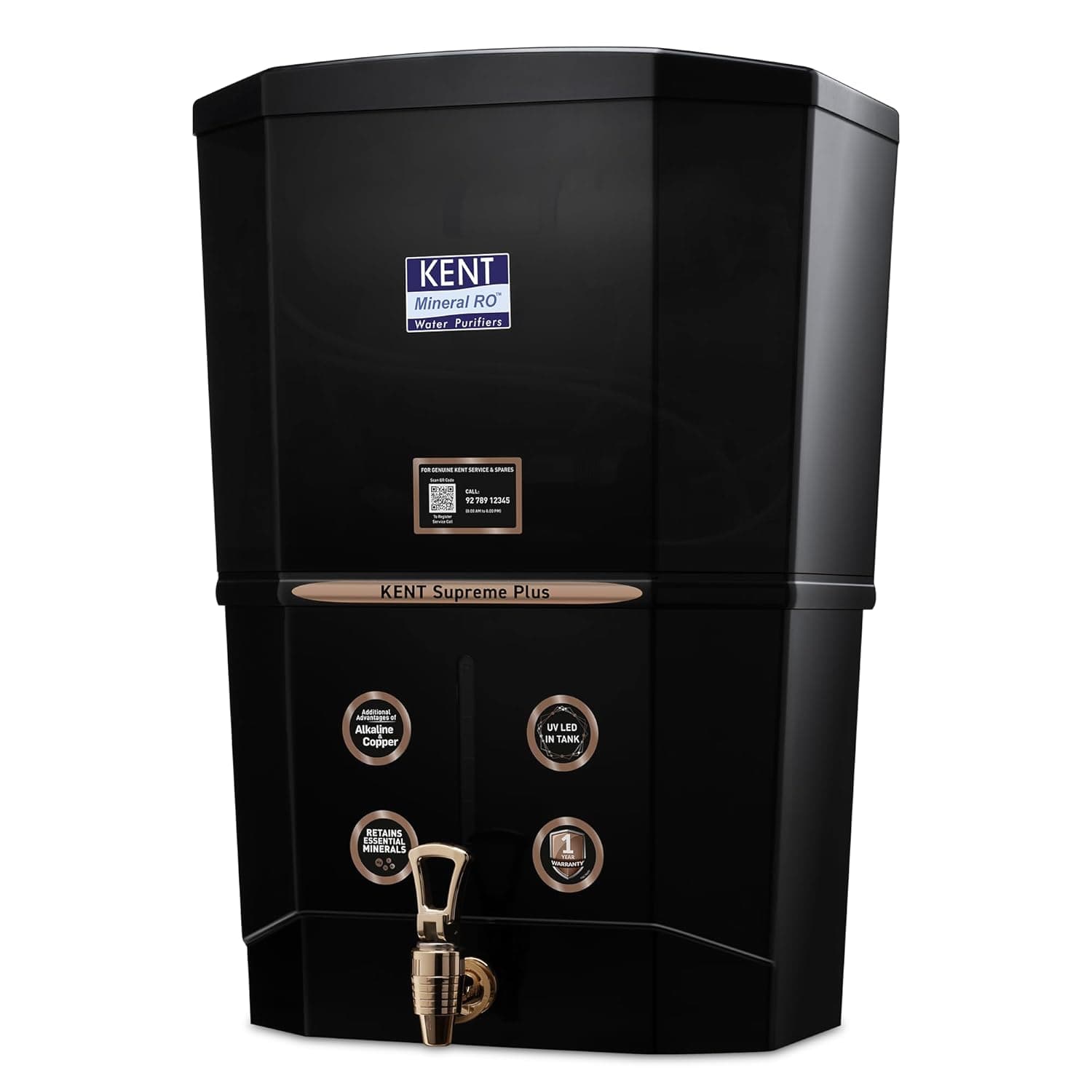
₹12,000–₹17,000: KENT Supreme Plus or the original Aquaguard Delight — reliable mainstream picks.
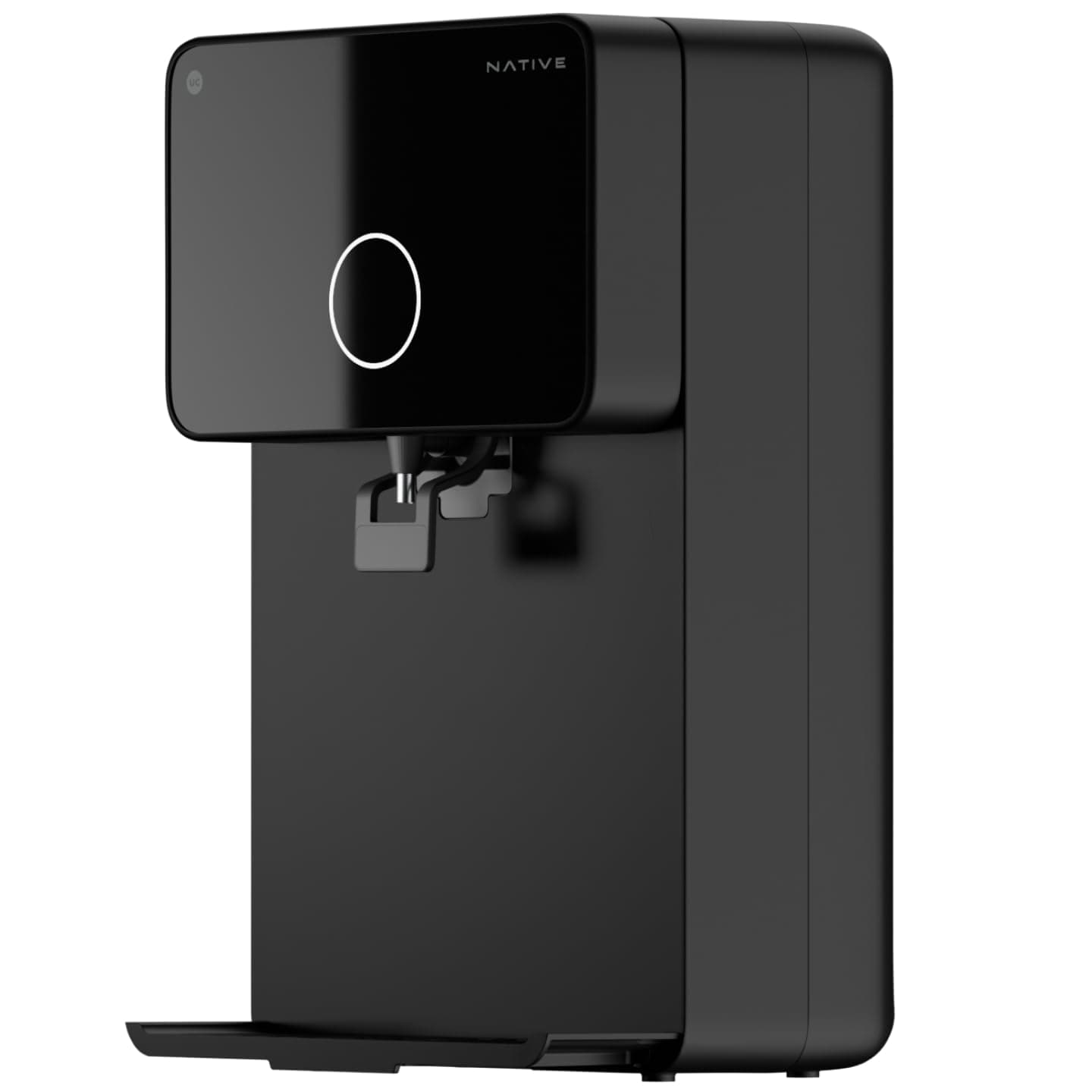
₹17,000+: Atomberg Intellon (adaptive AI) or Urban Company Native M1 (copper-charged + AMC).
Step 5: Don't forget filter replacement costs
Filter replacement is the hidden cost. Plan for ₹1,500–₹3,500 per year depending on usage and water quality. RO membranes typically last 12–24 months; pre/post filters every 6–12 months.
Common mistakes to avoid
- Buying RO when your TDS is below 200 ppm — you'll get demineralized water that's actually worse for you
- Ignoring water wastage — modern Aquasaver/efficient RO models waste less than 30% (older ones waste 70%)
- Forgetting installation costs — most brands charge ₹500–₹1,500
- Skipping AMC — service is critical for long-term performance
Final word
For most Indian families with mixed water supply, the Aquaguard Delight RO+UV+UF+MC remains our top all-round pick. For higher TDS or premium homes, the Atomberg Intellon's adaptive AI is the most innovative option in 2026.